We use cookies to make your experience better. Read more



-
 Read more
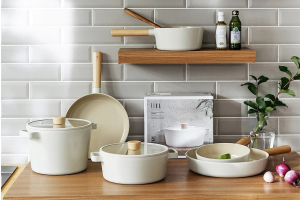
Why Neoflam Ceramic Cookware Deserves a Spot in Your Kitchen
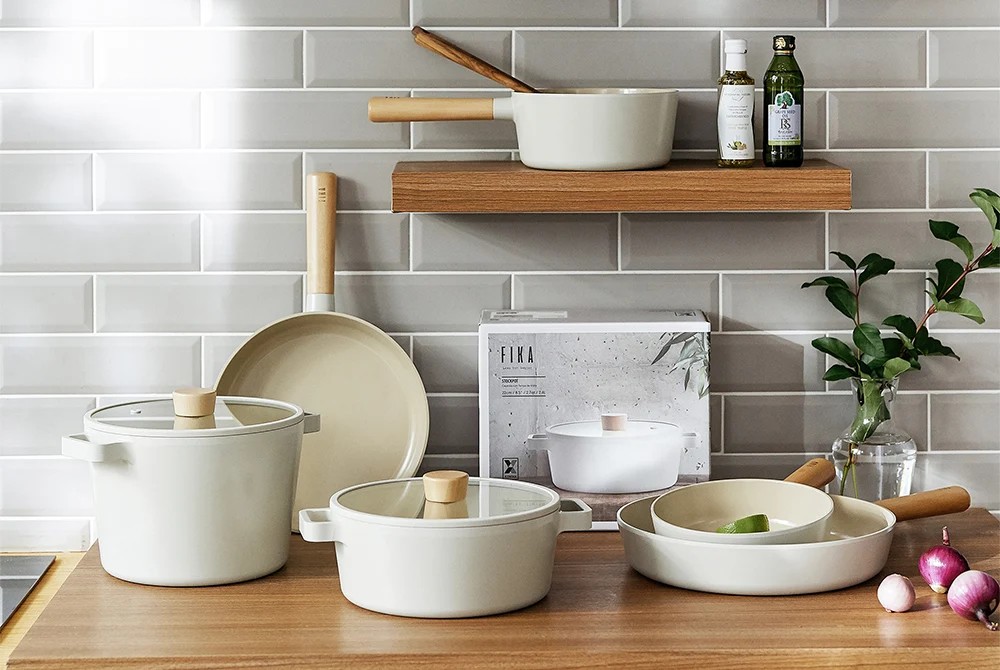
If you're on the hunt for cookware that's stylish, safe, and easy to maintain, Neoflam's ceramic collection is worth a serious look. Made in Korea, Neoflam has built its reputation on ceramic nonstick coatings that skip the harsh chemicals found in older nonstick technologies, while still delivering the smooth, food-release performance home cooks want.
What Makes It "Ceramic"?
Unlike traditional Teflon-based nonstick pans, Neoflam's ceramic coating is derived from natural minerals rather than synthetic polymers. This means no PFOA, no PFOS, and no heavy metals leaching into your food — a big plus for health-conscious households. The coating is applied through a multi-layer process that improves scratch resistance and extends the pan's nonstick lifespan compared to single-layer alternatives.
Everyday Performance
- Read more
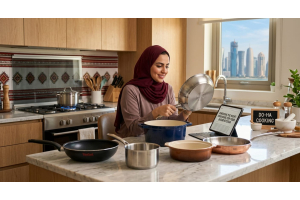
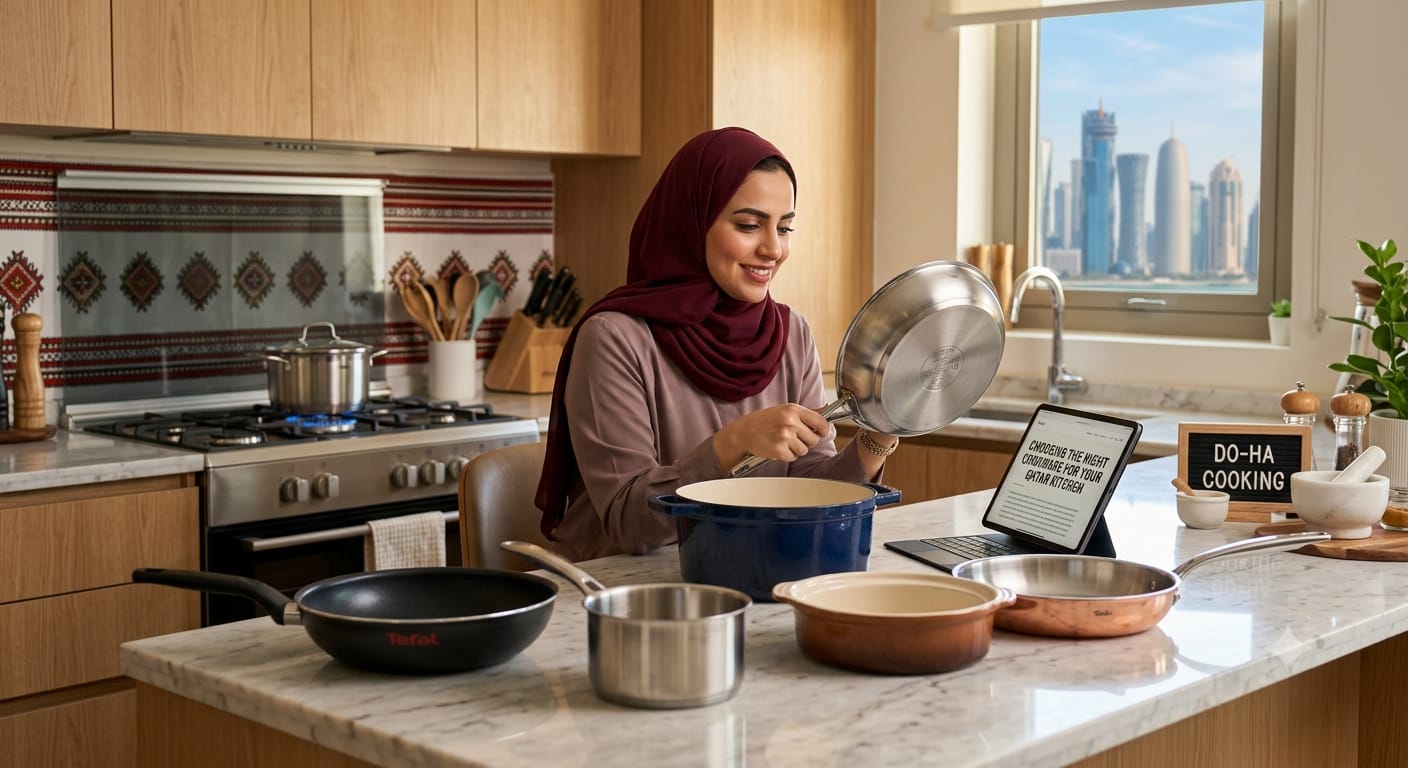
Walk into any well-stocked kitchen in Doha and you'll usually find the same story: a stack of pots and pans bought in a hurry, replaced every couple of years because the coating flaked, the handle loosened, or the base warped on a gas flame. Good cookware isn't a luxury — it's the one kitchen investment that pays you back every single day, in food that cooks evenly, cleans up easily, and doesn't need replacing every season.
At Bazaarcom, we carry a curated range of cookware brands, each built for a different cooking style and budget. This guide breaks down how to choose between them, so your next pot or pan actually lasts.
What Kind of Cook Are You?
Before comparing brands, it helps to think about how you actually cook:
- High-heat searing and long simmers (rice, meat, stews) → stainless steel performs best.
- Low-fat, everyday cooking (eggs, fish, delicate sauces) → granite or non-stick cookware wins.
- Pressure cooki - Read more
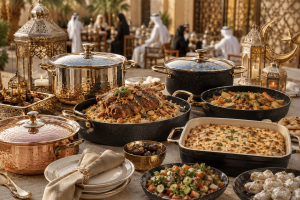
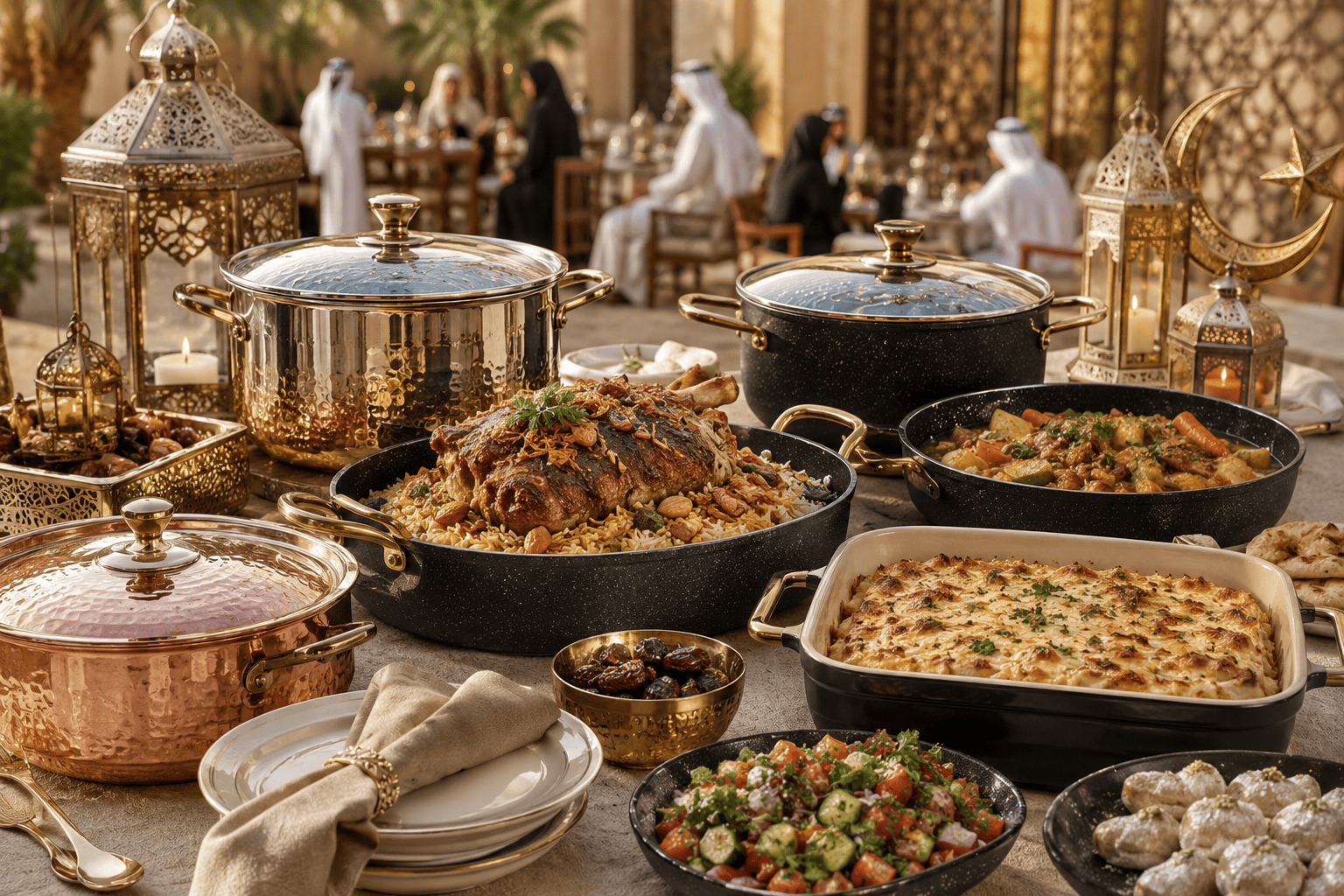
As the festive calendar advances towards late May, households across the country are preparing for one of the most deeply revered celebrations of the year. For families organizing the upcoming Eid Al-Adha 2026 Qatar gatherings, the focus of the occasion invariably centers around the dining table. The Feast of Sacrifice is a beautiful tradition of sharing, hospitality, and communal harmony, bringing extended family and neighbors together to enjoy spectacular, slow-cooked traditional dishes. However, preparing a banquet of this scale introduces a significant amount of logistical pressure into the domestic kitchen. Handling vast quantities of fresh meat, managing extended cooking times, and striving for culinary perfection can rapidly turn a joyful occasion into a stressful, exhausting ordeal.
- Read more
The month of Ramadan and the joyous days of Eid Al-Fitr are a whirlwind of hospitality, tradition, and, most importantly, food. In Qatari homes, the kitchen serves as the command center for these celebrations. Between simmering large pots of Harees, preparing trays of Machboos, and plating endless assortments of dates and sweets, your kitchen has likely worked harder in the last thirty days than it does all year.
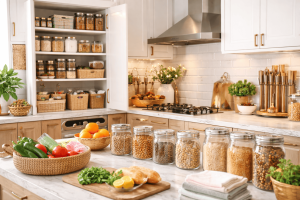
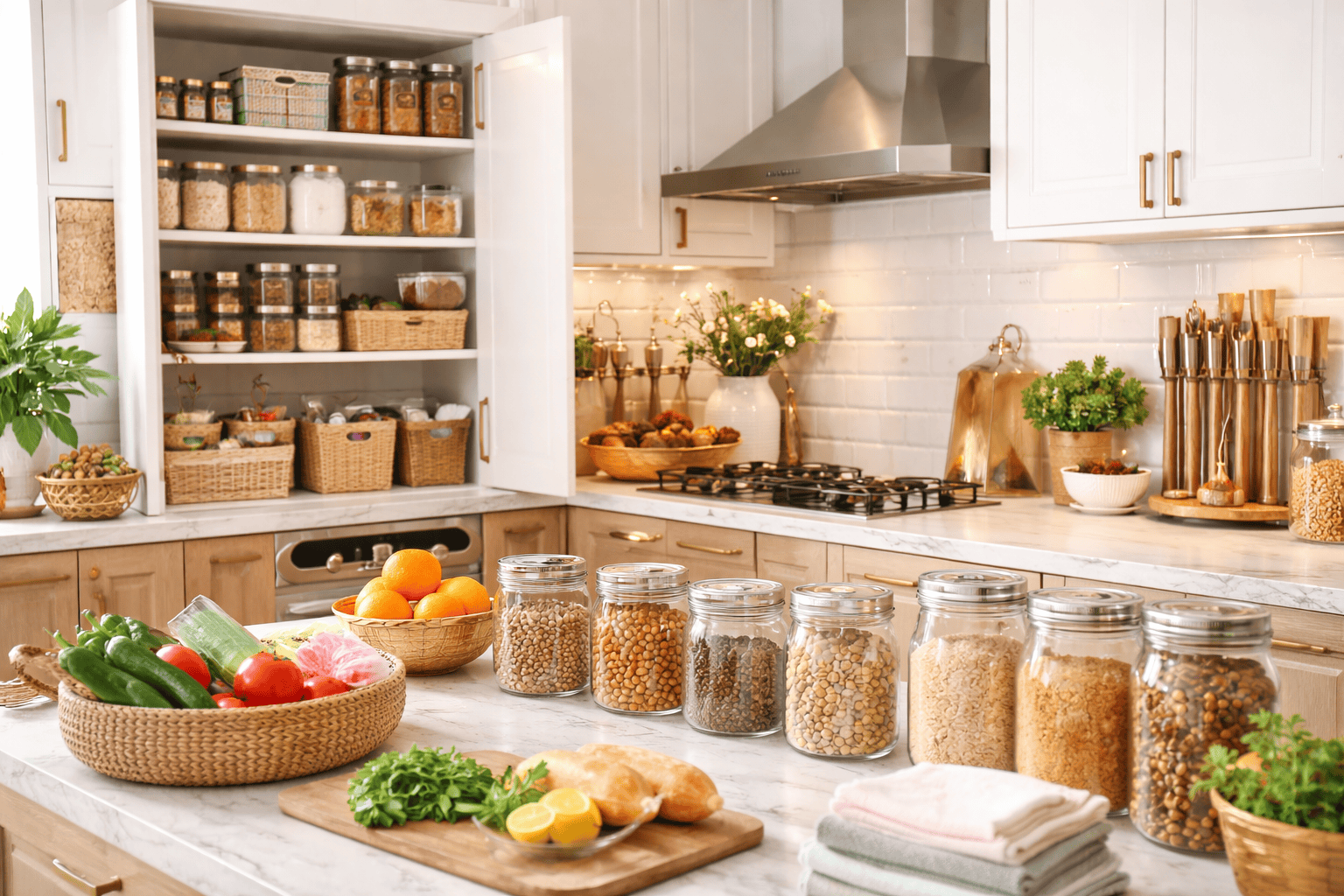
But as the final guests depart and the festive decorations are tucked away, many families in Doha find themselves facing a common "post-holiday" struggle: a kitchen that feels overwhelmed. Cabinets are stuffed with half-used bags of spices, the pantry is a jumble of dry goods bought in bulk, and countertops are crowded with specialized gadgets used only for large
Recent Posts